Fly-Tipping Laws in London and Duty of Care: A Practical Guide for Households, Landlords and Businesses
Fly-tipping laws in London and duty of care rules matter more than most people realise. One careless bag left beside a bin, one unlicensed collector, or one incomplete waste transfer note can create a problem that lands on your doorstep months later. In London, where waste moves quickly through flats, shops, renovations and busy streets, the risk is very real.
This guide explains what fly-tipping means, how duty of care works in plain English, who is responsible, and what practical steps you can take to stay compliant. It is written for anyone who wants to avoid fines, protect their property, and dispose of waste properly without turning the whole thing into a headache. Truth be told, most people are not trying to do the wrong thing. They just need a clear path through the rules.
If you manage a home clearance, a shop refit, a builder's skip, or even a few bulky items from a flat, the same basic principle applies: you must take reasonable steps to make sure your waste is handled lawfully. That is the heart of duty of care. And once you understand it, the whole subject becomes much less mysterious.
- Why this law matters in London
- How fly-tipping and duty of care actually work
- Benefits of getting disposal right
- Who needs to pay attention
- Step-by-step compliance guidance
- Practical expert tips
- Common mistakes to avoid
- Tools and useful resources
- Law, compliance and best practice
- Options and comparison table
- Real-world example
- Practical checklist
- Conclusion
- Frequently asked questions
Why Fly-Tipping Laws in London and Duty of Care Matters
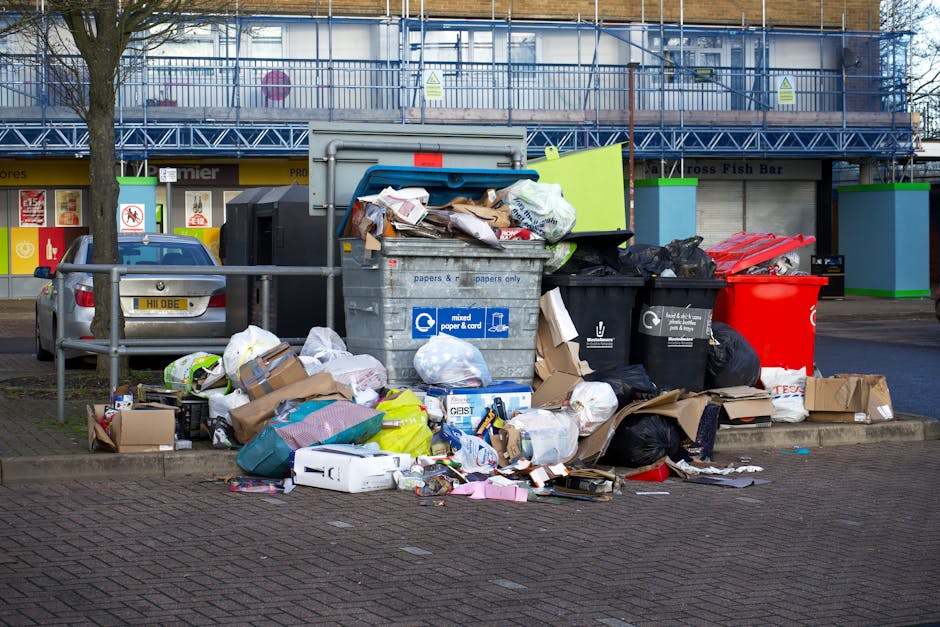
Fly-tipping is not just an eyesore. In London, it can block pavements, attract pests, cause fire risks, and create dangerous access issues for residents, delivery drivers and emergency services. A mattress dumped behind a terrace, a pile of builder's rubble by a narrow street, or a broken wardrobe left next to communal bins can quickly become everyone's problem.
The law also matters because responsibility does not always end when you hand your waste over. If your rubbish ends up dumped illegally and you did not take reasonable steps to check who collected it, enforcement officers may still look at you. That is the part many people miss. The waste may be gone, but the paper trail matters.
For London households and businesses, this is especially important because the city has so many collection scenarios: shared bins in flats, office clear-outs, trades waste, garden cuttings, furniture removal, and mixed rubbish from renovations. In busy areas, you will often see a mixture of council services, licensed carriers and private collections. Some are legitimate, some are not. It pays to slow down and check.
Key point: duty of care is about acting responsibly before, during and after waste is handed over. Fly-tipping laws deal with illegal dumping, but the two are closely linked in practice.
How Fly-Tipping Laws in London and Duty of Care Works
In simple terms, fly-tipping means dumping waste somewhere it does not belong without permission. That could be on a road, verge, alley, common area, private land, or beside a bin where collection was never arranged. The waste might be one black bag or several tonnes of builders' debris. The size changes the scale, but not the basic principle.
Duty of care is the legal and practical responsibility to make sure your waste is stored, transferred and disposed of properly. If you produce, carry or manage waste, you are expected to handle it in a way that prevents harm, illegal dumping, pollution, nuisance and mixing with unsuitable materials.
That normally means you should:
- know what type of waste you have
- store it safely before collection
- pass it only to someone authorised to take it
- keep records where required or sensible
- avoid vague cash-in-hand arrangements with no paperwork
If you are a homeowner getting rid of an old sofa, the process may feel simple. But even then, it is worth asking where the waste is going and how it will be processed. If you are a landlord or business, the expectation is higher because you are more likely to generate repeated waste streams and may need a more consistent system.
In practice, a lawful disposal process usually looks like this: identify the waste, separate anything hazardous, use a suitable collection method, confirm the collector is legitimate, and keep some form of evidence. Not glamorous, but effective. And yes, the boring bits are the bits that protect you.
Key Benefits and Practical Advantages
There is a compliance angle here, obviously, but there are also everyday benefits. Getting waste management right saves time, reduces hassle and keeps premises looking respectable. Nobody enjoys dragging a broken wardrobe down three flights of stairs only to discover the collector never turns up. Happens more than you'd think.
Here are the practical advantages of following fly-tipping laws and duty of care properly:
- Lower legal risk: you reduce the chance of fines, notices or enforcement action.
- Better neighbourhood relations: shared spaces stay cleaner and less frustrating for everyone.
- Safer sites: fewer trip hazards, blocked exits and sharp materials left around.
- Cleaner operations: businesses and landlords maintain a more professional appearance.
- More confidence in disposal: you know where the waste went and who handled it.
There is another benefit people forget: peace of mind. When waste is removed properly, there is no nagging feeling that it might show up in a back alley with your address on it. That small bit of certainty is worth a lot.
For larger clearances, using a service that understands safe handling and sorting can also improve recycling outcomes. If that matters to you, it is worth looking at a provider's approach to recycling and sustainability before booking.
Who This Is For and When It Makes Sense
This subject is for more people than you might expect. If you produce waste at home, on a building site, in a shop, or in an office, duty of care applies in some form. The level of detail changes, but the principle stays the same.
You should pay close attention if you are any of the following:
- a homeowner clearing out clutter, lofts, garages or gardens
- a tenant moving out of a flat and needing quick disposal
- a landlord handling end-of-tenancy rubbish or abandoned furniture
- a tradesperson dealing with rubble, packaging or renovation waste
- a small business owner with routine commercial waste
- an office manager organising desks, chairs or archive clear-outs
It also makes sense when you need to decide between council collection, private removal, or a mixed approach. For example, a flat clearance after a long tenancy may include furniture, bags of general waste and a few awkward items that need careful handling. In that case, a structured service such as flat clearance can be more practical than trying to piece everything together yourself.
Likewise, a builder working on a loft conversion or kitchen knock-through is dealing with a different type of risk altogether. In those situations, builders waste clearance is often the cleaner option because it keeps rubble, timber, plasterboard and packaging moving in the right direction.
To be fair, the law is not only for "big" waste producers. A single dumped sofa can cause a complaint. A single careless job can become your problem. So yes, even small jobs deserve proper handling.
Step-by-Step Guidance
If you want a straightforward way to stay on the right side of fly-tipping laws in London and duty of care, use this process. It is not fancy, but it works.
- Identify the waste clearly. Separate household rubbish, furniture, garden cuttings, builders' waste and anything potentially hazardous.
- Check what can be reused or recycled. Not everything needs immediate disposal. Some items can be recovered, repaired or reused.
- Choose the right collection method. A small domestic load, a bulky furniture pickup, and a commercial waste run are not the same thing.
- Confirm who is taking it. Ask how the collection is handled and whether the waste goes through a proper disposal route.
- Keep evidence. Save invoices, collection notes, email confirmations, and any documentation you receive.
- Store waste securely before collection. Keep items away from public access, especially on shared London streets and communal walkways.
- Follow up if anything looks off. If a collector is evasive, rushes you, or avoids giving details, stop and rethink.
A tiny real-world example: a landlord in a terraced street leaves two old sofas outside after an end-of-tenancy clean-out, planning to deal with them "tomorrow". By morning, someone has added more rubbish. Now it is messier, larger and harder to trace. The right move would have been to arrange collection promptly and keep the items secured until then. Simple, but these little moments matter.
If you need a broader solution for repeated removals, a planned waste removal arrangement is usually easier to control than ad hoc disposal.
Expert Tips for Better Results
Here are the kinds of details that make a real difference in practice, especially in London where space is tight and waste can go from "manageable" to "problem" quickly.
- Ask about sorting before collection. Mixing everything together can increase cost and reduce recycling opportunities.
- Take photos before handover. This is useful if you later need to prove what was collected.
- Use one person to oversee the pickup. Too many handovers create confusion. One clear point of contact is better.
- Keep bulky items separate from loose waste. Furniture, packaging and rubble often need different handling.
- Plan around access. Stairs, parking, lift restrictions and narrow entrances can slow a job down fast.
Here is a good rule of thumb: if you would not be comfortable explaining the collection to a council officer, you probably should not book it. That sounds blunt, but it saves people a lot of trouble.
Another practical tip: if you are disposing of furniture, use a service designed for the job rather than leaving it to chance. A dedicated furniture disposal or furniture clearance route can reduce the temptation to leave items out on the street "just for a bit".
And if the job involves an office, check access times and building rules before anyone turns up with a van. It sounds obvious. People still forget. Often.
Common Mistakes to Avoid
Most fly-tipping problems do not begin with bad intentions. They begin with shortcuts. A rushed decision, a cheap quote with no detail, a "mate of a mate" collector, or a pile of rubbish left outside because the team was in a hurry. That is where it goes sideways.
Watch out for these mistakes:
- using an unverified collector because the price looks low
- leaving waste on the pavement before collection is confirmed
- failing to separate hazardous or awkward items
- not keeping any record of who took the waste
- assuming domestic waste rules are the same as commercial waste rules
- forgetting that mixed loads may need different handling
Garden waste is a classic one. It seems harmless until you've got bags of soil, cut branches and broken planters sitting by the gate. A dedicated garden clearance arrangement is usually cleaner and less stressful than trying to improvise.
Garage clear-outs create another trap. Old paint, oily rags, broken tools and random bits of metal can turn a simple job into a mess if you do not sort them first. If that sounds familiar, a garage clearance service can keep things organised without the guesswork.
And yes, there is always one box you thought was empty. It never is. Annoying little thing.
Tools, Resources and Recommendations
You do not need complicated systems to manage waste responsibly, but a few simple tools help a lot.
- Waste inventory list: jot down what you are disposing of, especially for mixed loads.
- Photo record: take before-and-after pictures for larger clearances.
- Receipt or invoice folder: keep everything together, digital or printed.
- Appointment notes: record date, time, access instructions and what was agreed.
- Internal checklist: useful for landlords, offices and builders who repeat the process.
For offices, the same approach applies to desks, chairs, files and old fixtures. A structured office clearance plan helps avoid abandoned furniture in corridors or loading areas.
If you are dealing with a full property, it may be smarter to group items by location. For example, a home clearance might include attic boxes, kitchen clutter, and a few pieces of furniture. Services like home clearance, house clearance and loft clearance are often more practical than trying to manage each item in isolation.
Households and businesses also benefit from checking the company's broader approach to safety and administration. Pages such as health and safety policy, insurance and safety, and terms and conditions can give useful signals about how seriously the operation is run.
Law, Compliance, Standards, or Best Practice
Without turning this into a legal lecture, the basic compliance principle is straightforward: you must take reasonable steps to ensure waste is handled by someone authorised and disposed of properly. That applies whether you are a private resident, landlord, contractor or business.
Best practice usually includes:
- using a legitimate waste carrier or established collection service
- keeping records of transfers and collections
- storing waste safely until pickup
- separating waste streams where possible
- avoiding any arrangement that looks unofficial or undocumented
Commercial operators should be especially careful. Businesses produce waste as part of operations, and the expectation to manage it responsibly is higher. If you are handling waste regularly, a business waste removal process is often better than one-off collections because it creates consistency and fewer gaps.
One thing people get wrong is assuming "I paid someone, so I'm covered." Not always. Payment alone does not prove compliance if the waste is dumped later and there is no evidence of due diligence. That is why records and reputable handling matter.
For building projects, the same logic applies with extra force. Construction waste moves quickly, and loose disposal habits on site can create instant fly-tipping risks around the neighbourhood. Keep the site tidy, keep the trail clear, and do not let waste drift into the public realm.
Options, Methods, or Comparison Table
If you are deciding how to deal with waste in London, the main options usually come down to council services, private clearance, or a mixed approach. Each has strengths and drawbacks.
| Option | Best for | Pros | Trade-offs |
|---|---|---|---|
| Council collection | Smaller household waste and scheduled pickups | Familiar process, often suitable for standard items | Can be slower, less flexible, may not suit bulky or mixed loads |
| Private clearance | Furniture, mixed waste, quick turnarounds, awkward access | Flexible, convenient, tailored to the job | Quality varies, so due diligence matters |
| Business collections | Regular commercial waste streams | Consistent, scalable, easier to document | Needs clear scheduling and internal responsibility |
| Site-based clearance | Builders, refurbishments, renovations | Good for rubble, packaging and bulk material | Requires careful segregation and access planning |
There is no single "best" option for everyone. The right choice depends on how much waste you have, what type it is, how quickly it needs moving, and whether you need a paper trail. In busy parts of London, convenience often wins, but only if the service is legitimate and the process is documented.
Case Study or Real-World Example
Here is a realistic scenario. A small property manager in South London needs to clear a one-bedroom flat after a tenant leaves behind a sofa, a mattress, two broken chairs and a few bags of mixed rubbish. The temptation is to pull everything outside "just until someone collects it".
Instead, the manager sorts the items, photographs the load, checks the collector's details, and keeps the paperwork together. The sofa and chairs go with a dedicated furniture pickup, while the mixed rubbish is handled separately. The access note is clear, the timing is agreed, and the shared entrance stays tidy.
The result? No bags left in the hallway, no neighbour complaints, and no uncertainty about who handled the waste. A small job, really, but it shows the point. Good process prevents drama. And in London, avoiding drama is a skill in itself.
Now compare that with the messy version: no records, items dumped outside overnight, and a collector who disappears after taking the cash. If the waste later turns up on a nearby side street, the original owner may have a hard time proving they took reasonable steps. That is exactly the sort of problem duty of care is meant to prevent.
Practical Checklist
Use this checklist before you hand over waste in London.
- Have I identified exactly what type of waste I am getting rid of?
- Have I separated any hazardous, sharp or awkward items?
- Have I checked the collection method suits the load?
- Have I confirmed the waste will go to a lawful disposal route?
- Do I have a record of the booking, collection or handover?
- Is the waste stored safely until pickup?
- Will the collection avoid blocking shared access or pavements?
- Have I reviewed the provider's safety and process information?
- Do I know what to do if something changes at the last minute?
If you can tick most of those without hesitation, you are in good shape. If not, slow down a little. That pause can save a lot of hassle later.
Get a free quote today and see how much you can save.
Conclusion
Fly-tipping laws in London and duty of care are really about one idea: do not let your waste become someone else's problem. If you produce the waste, you need to think ahead, check who is handling it, and keep enough evidence to show you acted responsibly. It is not complicated once you break it down, but it does reward care and a bit of discipline.
Whether you are clearing a flat, managing a shop, emptying a garage, or organising builders' debris, the safest approach is the same: sort it properly, use a legitimate service, keep records, and avoid shortcuts that look cheap today and expensive tomorrow. Nothing fancy. Just sensible.
And if you are standing there looking at a pile of rubbish and wondering where to begin, that is normal. Start with one category, one plan, one collection. The rest tends to fall into place.
A tidy street, a clear conscience, and one less problem on your plate. That's a good outcome, honestly.
Frequently Asked Questions
What is fly-tipping in London?
Fly-tipping is the illegal dumping of waste on land or in places where it should not be left. In London, it can range from a single bag of rubbish to bulky furniture, builders' waste or mixed household items.
What does duty of care mean for waste?
Duty of care means you must take reasonable steps to make sure your waste is stored, transferred and disposed of properly. In practical terms, that means using responsible collection methods and keeping records where appropriate.
Can I be fined if someone else fly-tips my waste?
Potentially, yes. If you hand waste to an unsuitable collector or fail to take reasonable steps to check where it is going, enforcement action may still follow. The key issue is whether you acted responsibly.
Do households have a duty of care or is it only for businesses?
Households are expected to behave responsibly too. Businesses usually have a higher level of ongoing responsibility because they generate waste more regularly, but the basic principle applies to everyone.
How do I know if a waste collector is legitimate?
Look for clear business details, written confirmation of the collection, and a sensible explanation of where the waste will go. If someone is vague, rushed or unwilling to provide details, that is a warning sign.
Is putting rubbish beside a bin considered fly-tipping?
It can be. If the waste is left where it is not supposed to be, or outside an agreed collection arrangement, it may be treated as illegal dumping. Even small items can cause problems.
What records should I keep?
Keep invoices, booking confirmations, collection notes, emails and any photos that show what was collected. For businesses, keeping a consistent paper trail is especially useful.
Do furniture and bulky items need special handling?
Often, yes. Furniture can be awkward to move and may need separate disposal or sorting, especially if it includes mixed materials. Dedicated furniture services are usually the cleaner option.
What should I do with builders' waste?
Builders' waste should be separated where possible and handled through a suitable clearance process. Rubble, timber, packaging and plasterboard may need different treatment, so a clear plan helps.
How can I reduce the risk of fly-tipping when clearing a property?
Book the collection in advance, keep waste secure, use a reputable provider, and avoid leaving items outside before pickup is confirmed. For larger jobs, a planned clearance service is usually safer.
Does recycling matter under duty of care?
Yes. While the main legal concern is lawful disposal, good waste practice also includes recycling where appropriate and avoiding unnecessary landfill. It is part of responsible management.
What if I am not sure how to classify my waste?
If you are unsure, separate the items as best you can and ask for guidance before disposal. Mixed loads, sharp materials and unusual items deserve extra care. Better to pause than guess.