Complaints Procedure for London Rubbish Collection Services
 Purpose: This complaints procedure explains how customers and stakeholders can raise concerns about London Rubbish Collection services, and how those concerns will be handled. It applies to all waste and recycling pickup activities, general rubbish removal tasks and interactions with crews or contractors. The aim is to ensure that each concern is treated consistently, transparently and fairly, with a focus on timely resolution and continuous improvement.
Scope and Principles
Our approach covers complaints about missed collections, handling of bulky items, damage arising from waste collection activities and service delivery standards. We adopt key principles: impartiality, confidentiality, responsiveness and clear communication. Complainants will be treated with respect and their issues recorded accurately. The procedure promotes accountability and uses lessons learned to improve future waste collection in London and wider metropolitan rubbish removal programmes.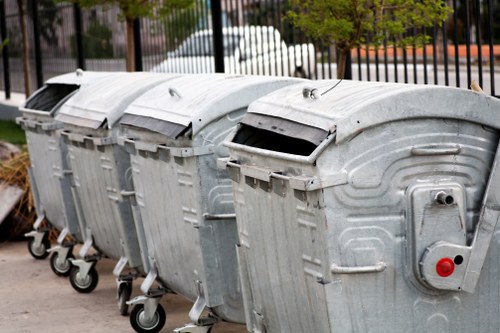
How to Submit a Complaint
Complaints can be made in writing or through designated submission channels supplied at the point of service (please follow the provider’s published submission options). When filing a complaint, include: date and time of the incident, precise location, vehicle or crew details if available, description of the issue and preferred outcome. Providing photos or evidence where safe to do so helps the investigation. Complaints should be lodged promptly to aid timely investigation and accurate record keeping.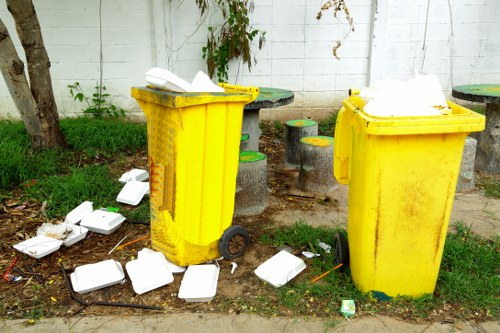 Acknowledgement and Initial Assessment Once a complaint is received about rubbish collection in London, an acknowledgement will be issued within a stated working period. An initial assessment determines whether the matter is straightforward and can be resolved quickly or if it requires a formal investigation. Many routine issues are resolved at this stage by arranging a recollection, scheduling a specialist pickup or clarifying service terms.
Investigation Process For complaints that need formal review, an investigator will gather facts, interview relevant staff and review operational records such as collection logs and CCTV where appropriate. The process is documented and aims to be completed within a reasonable timeframe. Investigations balance thoroughness with the need to reach a clear outcome, and the complainant will be advised of progress if longer timescales are required.
Resolution Options Possible outcomes include remedial actions (for example, repeat collection or site clean-up), formal apologies, process changes, staff training and, where applicable, compensation in line with policy. All outcomes seek to restore service standards and prevent recurrence. Decisions are communicated clearly, with the rationale and any corrective steps outlined so complainants understand the resolution.
 Escalation and Review If a complainant is not satisfied with the initial response, the procedure provides a clear escalation route. An independent review within the organisation or an appointed senior officer will re-examine the case. This review focuses on whether the original investigation was complete and whether the proposed remedies were appropriate. The escalated review should produce a final decision and close the complaint or advise on any outstanding remedial action.
Timescales and Transparency
Standard response targets are set to ensure timely handling. Acknowledgements are issued promptly and substantive responses aim to be delivered within defined working days. Where investigations require more time, interim updates will be provided. Transparency is maintained through clear record keeping and explanation of decisions; however, personal or operational confidentiality may limit the amount of operational detail disclosed publicly.Record Keeping, Monitoring and Improvement
All complaints and the outcomes are recorded and analysed to track trends and identify service improvements across waste removal London operations. Regular reports inform training, route planning and policy updates. This continuous review cycle supports better resource allocation, reduced service failures and enhanced customer satisfaction. Lessons learned are embedded into operational standards and contractor performance management.Accessibility and Support Reasonable adjustments are available for complainants who need assistance — for example, help with submitting a written complaint or requesting communications in an alternative format. The organisation strives to make the process accessible and free from barriers, treating all complainants fairly regardless of circumstances.
Confidentiality and Data Handling Personal information collected during complaint handling is processed in accordance with applicable data protection principles. Information is used only for the purpose of investigating and resolving the matter and is stored securely. Anonymised data may be used for trend analysis to improve rubbish collection services without identifying individuals.
Final Notes This complaints procedure is designed to be straightforward and accountable. By following these steps, complainants and service providers can work towards effective resolutions and a continual improvement of urban waste and rubbish collection services. The emphasis remains on fairness, timely action and learning from each reported issue to strengthen future delivery.